
How to choose rib cartilage or septal cartilage for rhinoplasty?
Published October 28, 2026
The choice between rib cartilage and septal cartilage depends on the actual condition of the nasal base and each client's need for structural intervention. Each material has its own characteristics, so a direct consultation with a specialist doctor is an important step to determine the indication suited to each nose shape.

The choice between rib cartilage and septal cartilage depends on the actual condition of the nasal base and each client's need for structural intervention. Each material has its own characteristics, so a direct examination with a specialist doctor is an important step in determining the indication suited to each nose shape.
Understanding rib cartilage and septal cartilage in rhinoplasty
In structural rhinoplasty, autologous materials always receive attention because of their natural compatibility with the body. Septal cartilage is the cartilage located in the middle, between the two sides of the nasal cavity.
Rib cartilage, meanwhile, is an autologous cartilage material taken from the rib of the client's own body. The doctor will take a small piece of cartilage, then carefully shape it and graft it into the nose to restructure and refine the desired nose shape. Thanks to its natural biological properties, rib cartilage can support complex interventions.
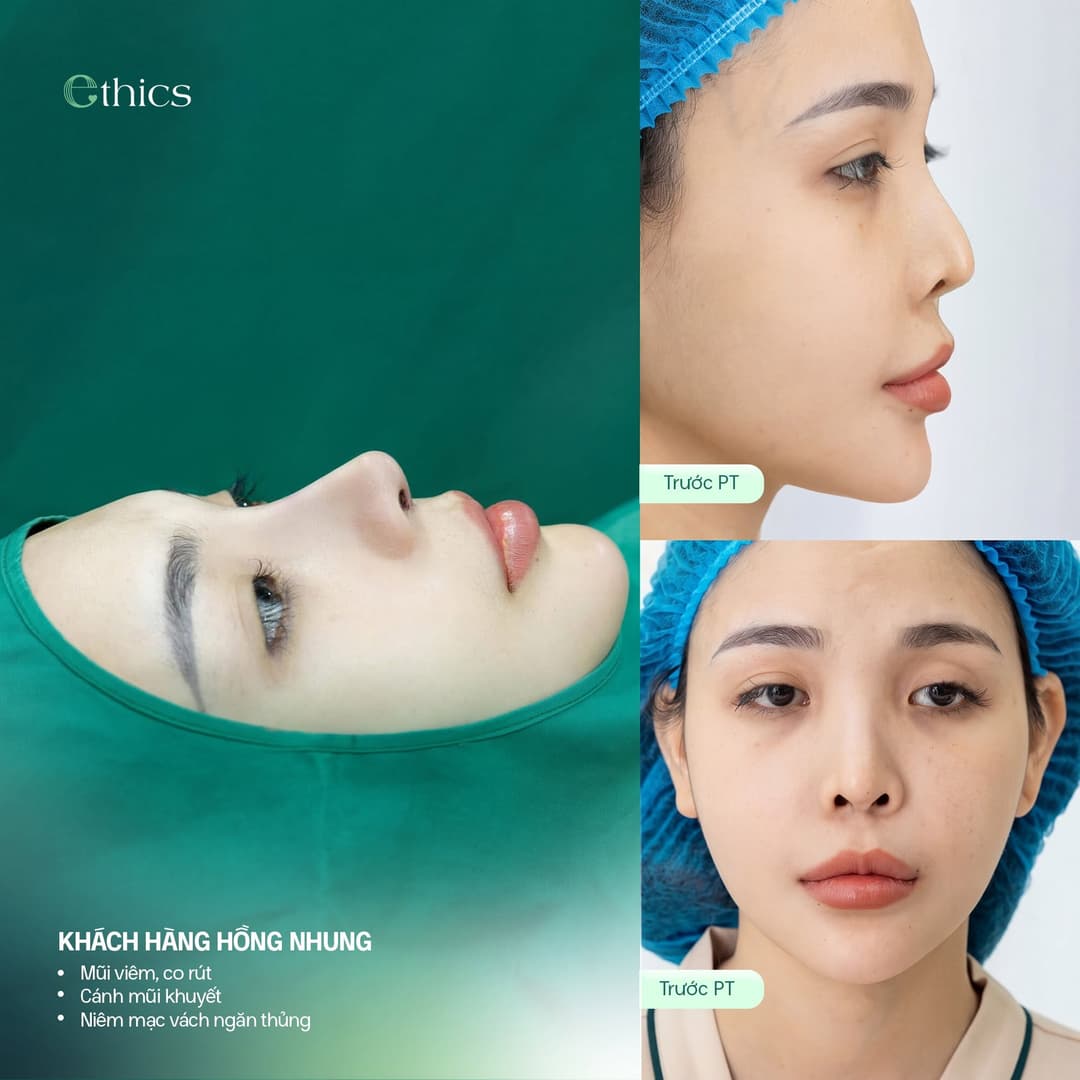
Notable characteristics of rib cartilage
Rib cartilage is valued in structural rhinoplasty for its notable physical and biological properties:
- Firmness, flexibility and natural durability: Rib cartilage forms a supporting pillar that helps maintain a stable nose shape over the long term.
- High compatibility: Because it is the person's own cartilage, the likelihood of the body rejecting it is very low, which helps limit complications related to material allergy.
- Ability to revise complex nose cases: Rib cartilage is an option for noses that need in-depth restructuring, including congenital deformities, deformities caused by accidents, or cases where several previous surgeries have failed.
- Natural nose shaping: The method helps achieve a nose shape that harmonizes with the overall contours of the face.

Comparing rib cartilage and septal cartilage
When weighing rib cartilage and septal cartilage, the doctor carefully considers the cartilage tissue available and the extent of intervention needed on your nose.
Rib cartilage has natural firmness and durability, making it suitable for creating structural changes or correcting weak nasal bases and noses from failed earlier surgeries. As for septal cartilage, whether it is suitable must be assessed directly by the doctor in each specific case.
Depending on the actual condition of the nose, the doctor will determine the appropriate approach aimed at balance and stability of the nose shape.
Suitable cases for structural rib cartilage rhinoplasty
Structural rhinoplasty using rib cartilage suits several different groups of people:
- People with complex nasal structure: Cases of congenital deformity, deformity after an accident, or a nose that has undergone several failed surgeries and needs restructuring.
- People having rhinoplasty for the first time: Those who wish to have a lasting, attractive nose shape from the very first procedure and want to limit the risk of complications.
- People allergic to synthetic cartilage: Clients with a history of allergy or reaction to synthetic materials may consider autologous cartilage.
Structural rib cartilage rhinoplasty at Ethics
Rib cartilage structural rhinoplasty is a complex surgical technique that requires the performing doctor to have high expertise. At Ethics Aesthetic Institute, the procedure is carried out with direct examination and treatment by a specialist doctor, aiming for a natural result that respects the individual contours of each client.
In addition, Ethics has a strategic cooperation with AB Aesthetic Hospital in South Korea. Clients are listened to, have all their questions answered, and are followed from the pre-surgery consultation stage through the entire recovery period after the intervention.
Every nose shape has its own particular features. To learn which method suits your condition, please contact us to book a direct examination and receive professional consultation from a doctor at Ethics Aesthetic Institute.
Book a consultation: to be examined by an Ethics doctor and advised on the approach suited to you, book a consultation here or call the hotline 0969 258 000.
Frequently asked questions
Where is the cartilage taken from in rib cartilage rhinoplasty?
The doctor takes a small piece of cartilage from the client's own rib, then shapes it and grafts it into the nose.
Who should choose structural rib cartilage rhinoplasty?
The method suits people with complex noses, congenital deformities, deformities caused by accidents, people whose surgeries have failed several times, first-time rhinoplasty patients who want a lasting nose shape, or people with a history of synthetic cartilage allergy. The doctor will assess each case specifically.
Can the body reject rib cartilage?
Because it is the client's own cartilage, rib cartilage has high compatibility, and the likelihood of the body rejecting it is very low. However, results depend on each person's individual constitution.
Should I choose rib cartilage or septal cartilage for surgery?
The choice between rib cartilage and septal cartilage depends on the actual nasal base structure of each person; you should discuss it directly with a specialist doctor after an examination to get the suitable indication.
The information on this website is for general reference and does not replace a consultation with a doctor. Results and recovery differ from person to person. Pages are translated from the Vietnamese originals.
Contact Ethics
Leave your name and phone number with the country code. Our team will contact you to answer your questions and arrange a consultation.